When was the last time you checked your car’s air filter? It’s not just another item on your vehicle maintenance checklist; it’s important for keeping your engine running smoothly and efficiently. Ignoring it can lead to many issues, including reduced fuel economy and potential engine damage.
You might not realize it, but that simple component is pivotal to your car’s overall health. Now, consider this: if something so small can significantly impact it, what are the steps to ensure it functions correctly? Stay tuned, and I’ll show you how to handle this important task with ease.
Importance of Air Filter Maintenance
Regularly changing your car’s air filter, typically every 12,000 to 15,000 miles or annually, is crucial for maintaining engine efficiency and optimizing gas mileage. When you keep up with this essential maintenance, you’re not just taking care of your vehicle but ensuring you remain part of a community of responsible and savvy car owners.
The role of the air filter in your vehicle is to prevent dirt, dust, and other environmental pollutants from entering the engine.
Over time, the air filter can become clogged with debris, greatly diminishing engine performance. This buildup can decrease fuel efficiency and, ultimately, more frequent trips to the gas station, which no one wants.
Signs Your Air Filter Needs Changing
You’ll often notice reduced fuel efficiency, a clear sign that it’s time to check and possibly replace your air filter. When your car starts guzzling more gas, it’s usually because the engine is working harder than usual. A clogged air filter limits the air flowing into the engine, forcing it to expend more fuel to generate the power you need.
Listen for unusual engine sounds, like wheezing or sucking noises. These can be a dead giveaway that your air filter needs changing. Such sounds indicate that your engine struggles to draw air through the filter, directly impacting engine performance.
Another red flag is black smoke or soot exiting the exhaust. This grim sign points to a dirty air filter disrupting the delicate air-fuel balance necessary for efficient engine operation.
Additionally, if you’re experiencing a loss of power, especially during acceleration, this is a critical sign that your air filter needs to be replaced.
Also, watch warning lights on your dashboard or starting issues, as these may also suggest a compromised air filter.
Regular maintenance isn’t just about keeping your car running; it’s about being part of a community that values smart, proactive care for our vehicles.
Steps to Replace Your Air Filter
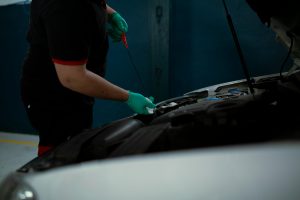
Before replacing your air filter, make sure you’ve purchased the correct model for your car’s specific make and model to guarantee a perfect fit. First, open your car’s hood and locate the air filter housing. It’s usually in a black plastic box with metal clips. Carefully unclip these to expose the old air filter.
Once you’ve opened it, observe how the existing filter fits within the casing. This will help you install the new one correctly. Remove the old air filter, lifting it out without disturbing any other engine components around it.
Check the housing for debris or dirt and clean it out if necessary, ensuring that your car’s air system remains free of blockages.
Now, grab your new air filter and place it into the slot. Make sure it sits snugly and evenly. Reattach any clips or screws you’d to remove earlier, securing the filter in place. This step is important in car maintenance to keep your vehicle running smoothly.
Choosing the Right Air Filter
After replacing your air filter, selecting the right type is important to guarantee your car operates efficiently and effectively. The air filter is fundamental to your vehicle’s maintenance and impacts fuel efficiency, engine performance, and overall health.
To ensure the best choice, start by considering your car’s make and model. Each vehicle has unique requirements that dictate the proper fit and specific type of air filter needed to optimize airflow and filtration.
Selecting the correct air filter isn’t just about compatibility; it’s about enhancing your car’s performance. A high-quality filter ensures that only clean air reaches your engine, preventing abrasive particles from causing wear and damage. This choice directly affects your engine’s longevity and your vehicle’s fuel efficiency.
For the best results, opt for a reputable brand known for durability and effectiveness in filtration. Remember, a well-chosen air filter facilitates smoother engine operation and contributes to more efficient fuel consumption.
Maintaining Your Air Filter Regularly
To guarantee your car’s engine operates at peak efficiency, regularly replace the air filter every 12,000 to 15,000 miles or once a year. This simple change ensures your engine breathes easier, boosting performance and fuel efficiency.
If you often drive in dusty conditions, consider inspecting your air filter more frequently. Dust and debris can clog the filter faster than usual, straining your engine and compromising its health.
You don’t have to wait for your next service appointment to check the air filter’s condition. It’s something you can easily do yourself. Simply remove the filter and hold it up to a light.
If you can’t see light coming through, it’s time for a replacement. Ignoring these signs like a drop in fuel efficiency or odd engine noises could lead to more severe issues, such as reduced horsepower or engine damage.
Conclusion
To sum up, don’t let a dirty air filter choke your engine’s breath. Regularly swapping out your air filter isn’t just ticking a box; it’s ensuring your engine runs like a well-oiled machine.
Choose the right filter, install it with precision, and maintain it diligently. Remember, a clean filter is the lifeline your car needs to maintain peak performance and efficiency.
Keep on top of this simple task, and your vehicle will thank you with smoother, more economical rides.