If you’re a car owner, you’ve likely heard the term “tune-up” tossed around at auto shops or by car enthusiasts.
But what exactly is a car tune-up? Is it just a fancy way of saying “maintenance,” or does it go deeper? T
his guide breaks it all down for you, giving you everything you need to know about what a car tune-up includes and why it’s essential for your vehicle’s health.
What is a Car Tune-Up?
A car tune-up is a routine maintenance process designed to keep your vehicle running smoothly and efficiently. Think of it as a health checkup for your car. It focuses on replacing and inspecting key components that affect your engine’s performance.
While modern vehicles may not require tune-ups as often as older models, they’re still an important part of ensuring your car runs like a well-oiled machine.
Signs Your Car Needs a Tune-Up
Before diving into what’s included in a tune-up, let’s look at some common signs that your car might need one:
- Decreased Fuel Efficiency: Are you making more trips to the gas station than usual? A tune-up might help.
- Difficulty Starting the Engine: A sluggish or unresponsive engine could signal worn-out parts.
- Rough Idling or Stalling: If your car shakes or stalls when stopped, it’s a sign of trouble.
- Dashboard Warning Lights: Ignoring those lights can lead to bigger problems down the road.
- Reduced Power: If your car struggles to accelerate or feels less powerful, a tune-up can help restore performance.
What Does a Car Tune-Up Include?
Here’s a breakdown of the main components of a tune-up. The specifics can vary depending on your car’s age, make, and model, but these are the usual suspects:
1. Spark Plugs and Wires
Spark plugs are small but mighty; they ignite the fuel in your engine. Over time, they wear out or become dirty, leading to misfires and reduced efficiency. During a tune-up, spark plugs are inspected and replaced if needed. The wires connecting them are also checked for wear and tear.
2. Air Filter
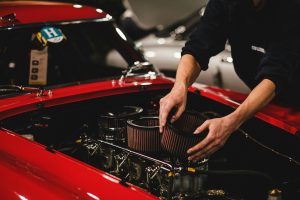
A clean air filter ensures your engine gets enough air to burn fuel effectively. A dirty or clogged air filter reduces airflow, impacting fuel efficiency and performance. Replacing the air filter is a simple yet essential part of any tune-up.
3. Fuel Filter
The fuel filter keeps dirt and debris out of your engine’s fuel system. Over time, it can become clogged, leading to poor engine performance. Replacing it during a tune-up helps maintain smooth fuel delivery.
4. PCV Valve
The Positive Crankcase Ventilation (PCV) valve helps manage gases produced by your engine. If it’s clogged or faulty, it can cause rough idling or oil leaks. Inspecting and replacing the PCV valve is often part of a comprehensive tune-up.
5. Ignition System
Besides spark plugs, other components of the ignition system, such as the ignition coil and distributor cap, are checked for wear. Ensuring these parts are in good shape is crucial for reliable engine performance.
6. Fluids Check and Top-Off
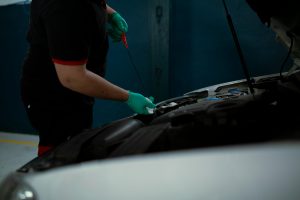
Fluids are your car’s lifeblood. During a tune-up, the following are typically checked and topped off or replaced if necessary:
- Engine oil
- Transmission fluid
- Coolant
- Brake fluid
- Power steering fluid
7. Battery Inspection
Your car’s battery is tested for voltage and overall health. Corroded terminals and weak connections are cleaned or repaired, and if the battery is nearing the end of its life, it might be replaced.
8. Belts and Hoses
Belts and hoses in the engine bay are inspected for cracks, fraying, or wear. Replacing a failing belt or hose during a tune-up can prevent unexpected breakdowns later.
9. Throttle Body Cleaning
The throttle body controls the amount of air entering the engine. A dirty throttle body can cause rough idling or stalling. Cleaning it ensures smooth airflow and improves engine efficiency.
10. Diagnostics and Updates
Modern vehicles come with onboard computers that monitor engine performance. During a tune-up, technicians may run diagnostics to identify and address any hidden issues. Software updates for the vehicle’s systems might also be applied.
How Often Should You Get a Tune-Up?
The frequency of tune-ups depends on your car and driving habits. Here’s a general guideline:
- Older Cars (before 1990s): Every 10,000-20,000 miles.
- Modern Cars: Every 30,000-50,000 miles, or as recommended in your owner’s manual.
Benefits of a Car Tune-Up
Regular tune-ups offer numerous benefits, including:
- Better Fuel Efficiency: Save money at the pump.
- Improved Performance: Enjoy a smoother ride.
- Prolonged Lifespan: Protect your engine and extend your car’s life.
- Reduced Emissions: Keep your car environmentally friendly.
- Fewer Breakdowns: Catching issues early can prevent costly repairs later.
DIY vs. Professional Tune-Ups
While some aspects of a tune-up, like replacing an air filter or checking fluids, can be done at home, others require specialized tools and expertise. For a thorough job, it’s best to visit a trusted mechanic or auto shop.
Final Thoughts
A car tune-up is more than just routine maintenance; it’s a way to keep your vehicle in peak condition.
By addressing small issues before they become big problems, you can save money, improve performance, and enjoy a reliable ride.
Check your owner’s manual, pay attention to your car’s needs, and don’t hesitate to schedule a tune-up when it’s time.